
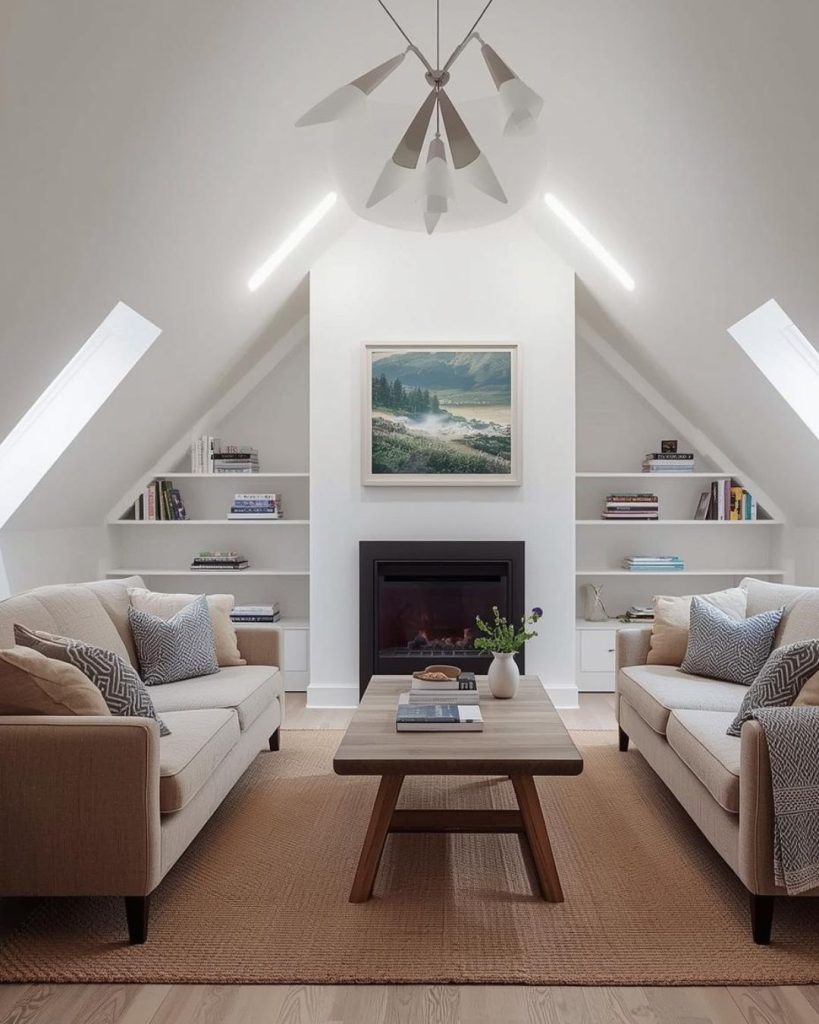
How Much Does a Loft Conversion Cost in Gillingham?
A loft conversion is consistently one of the most cost-effective home improvements available to Gillingham homeowners — adding a bedroom and in most cases an en-suite bathroom without reducing the garden or requiring planning permission in most circumstances. In a part of Kent where property values have risen consistently and where the gap between a three-bedroom and four-bedroom property represents a meaningful premium, the return on a well-executed loft conversion is strong.
The cost question is where most homeowners start — and where generic online figures most reliably mislead. National average loft conversion costs are compiled across an enormous range of property types, conversion specifications and regional labour markets. Gillingham’s specific market — post-war and inter-war semi-detached housing across Twydall, Wigmore, Hempstead and Rainham, with its own construction characteristics and its own labour cost position — sits in a particular place within that range. Understanding what a loft conversion actually costs in this part of Kent is the starting point for planning a project that will run to budget rather than surprise you once work is underway.
This post breaks down realistic current costs for the main loft conversion types in the Gillingham market, explains what drives the price up or down, and covers what you can expect the finished project to deliver.
What Does a Loft Conversion Cost in Gillingham?
Realistic current prices from a reputable Gillingham builder:
Rooflight conversion:
-
- Standard rooflight conversion: £18,000–£28,000
Dormer conversion:
-
- Standard rear dormer, semi-detached: £32,000–£52,000
-
- Larger dormer or higher specification: £48,000–£68,000+
Hip-to-gable conversion:
-
- Standard hip-to-gable (end of terrace or detached): £42,000–£62,000
-
- Hip-to-gable with rear dormer: £52,000–£78,000+
Mansard conversion:
-
- Standard mansard: £55,000–£85,000+
These are finished, installed prices covering all structural work, roofing, the new floor and staircase, insulation, internal plastering, a standard en-suite bathroom fit-out and basic decoration. They assume the existing roof structure is a traditional cut rafter roof — a trussed rafter roof adds cost as the existing structure needs to be replaced rather than simply worked around.
The Main Loft Conversion Types
Rooflight Conversion
The simplest and most cost-effective type — the existing roof pitch is retained, rooflight windows are added for light and ventilation, and a new floor, staircase, insulation and internal finishes are installed without altering the external roofline. This is the right approach where the existing ridge height is sufficient to create a usable room without extending upwards. A rooflight conversion on a Gillingham semi with a high enough ridge delivers a functional loft room at the most competitive price of any conversion type. The limitation is the natural light — rooflights provide less than a full dormer.
Dormer Conversion
The most common type across Gillingham’s housing stock — a box dormer extending from the rear roof slope, creating a vertical rear wall with full-height windows that substantially increases both the usable floor area and the natural light. For the inter-war and post-war semis of Twydall, Hempstead and Wigmore, a full-width rear dormer typically converts a cramped and impractical loft into a proper double bedroom with an en-suite of reasonable size. The dormer is the conversion type that delivers the best balance of cost, floor area and natural light for the majority of Gillingham properties.
Hip-to-Gable Conversion
Common on end-of-terrace and detached properties where the hipped roof end slopes inward and reduces the usable floor area. Converting the hip to a vertical gable creates additional space — often combined with a rear dormer to maximise the total floor area. This type requires more structural work than a standard rear dormer and involves external brickwork on the new gable.
Mansard Conversion
The most extensive type — rebuilding the rear roof slope at a near-vertical angle to create a large, flat-roofed extension at loft level. Less common in Gillingham than the dormer or hip-to-gable types but appropriate where maximum floor area is the priority. Mansard conversions almost always require planning permission as the extent of the external alteration exceeds permitted development thresholds.
What Affects the Final Cost?
Roof Structure Type
The single most significant variable in loft conversion costs across Gillingham‘s housing stock. Properties with traditional cut rafter roofs — the construction method used on most housing built before the mid-1960s, common across Gillingham’s inter-war and early post-war stock — can be converted by working with or alongside the existing roof structure. Properties with trussed rafter roofs — found across the later post-war estates of Lordswood, Walderslade and Parkwood — require the entire roof structure to be removed and replaced with a new structural frame. This adds £3,000–£8,000 to the conversion cost depending on the size of the property.
Specification of the En-Suite
The en-suite is typically the most variable element in the conversion cost — varying from a compact shower room with standard fittings at the lower end through to a larger bathroom with premium sanitaryware, a walk-in shower, underfloor heating and premium tiling at the upper end. For most Gillingham homeowners the standard specification is entirely appropriate. For properties in the larger detached housing of Rainham and Hempstead where the conversion is a primary bedroom suite, a higher specification is more commonly requested.
Staircase Design and Position
The staircase to the new loft room needs to fit within the existing first floor layout — finding a position that allows code-compliant headroom and rise without sacrificing too much floor area from the landing or an existing bedroom. A straight staircase in a straightforward position is the most cost-effective option. A space-saving alternating tread staircase adds cost but may be necessary where space on the first floor is limited.
Planning and Conservation Constraints
Most Gillingham loft conversions fall within permitted development and do not require a planning application. The exceptions include properties in conservation areas — some parts of Rochester and the historic Chatham areas carry designations that affect what is acceptable — properties where PD rights have been removed, and conversions that exceed permitted development thresholds. Always confirm the planning position before committing to a design.
What Does a Loft Conversion Add to a Gillingham Property?
An additional bedroom with en-suite consistently adds more to the market value of a Gillingham property than the cost of the conversion. In a part of Kent where the gap between a three and four-bedroom property is well established, a loft conversion that creates a fourth bedroom with its own bathroom typically adds 15 to 25 percent to the property’s market value depending on location and the quality of the finish.
The return on investment is strongest when the conversion creates a genuinely usable room with adequate headroom, natural light, and a properly specified en-suite. Getting the specification right at the design stage delivers the return. Cutting corners on headroom, natural light or the en-suite to reduce the build cost tends to reduce the value uplift proportionally.
If you are planning a loft conversion in Gillingham, Chatham, Rochester, Rainham, Wigmore or anywhere across the Medway district, get in touch and we will come out to assess your roof structure and give you a clear, itemised quote. Get in touch to arrange a visit.